
Architectural uplighting
Reveal stone, brick, columns, and mature trees with controlled layers of warm light.
Real project photography · 6 featured views
Explore Dave’s newest after-dark projects—from architectural uplighting and glowing garden paths to outdoor living spaces designed to stay inviting well past sunset.
Reveal stone, brick, columns, and mature trees with controlled layers of warm light.
Guide walkways, steps, and grade changes without making the property feel overlit.
Extend patios, porches, and planting views into the hours when they feel most atmospheric.
Dave’s real work
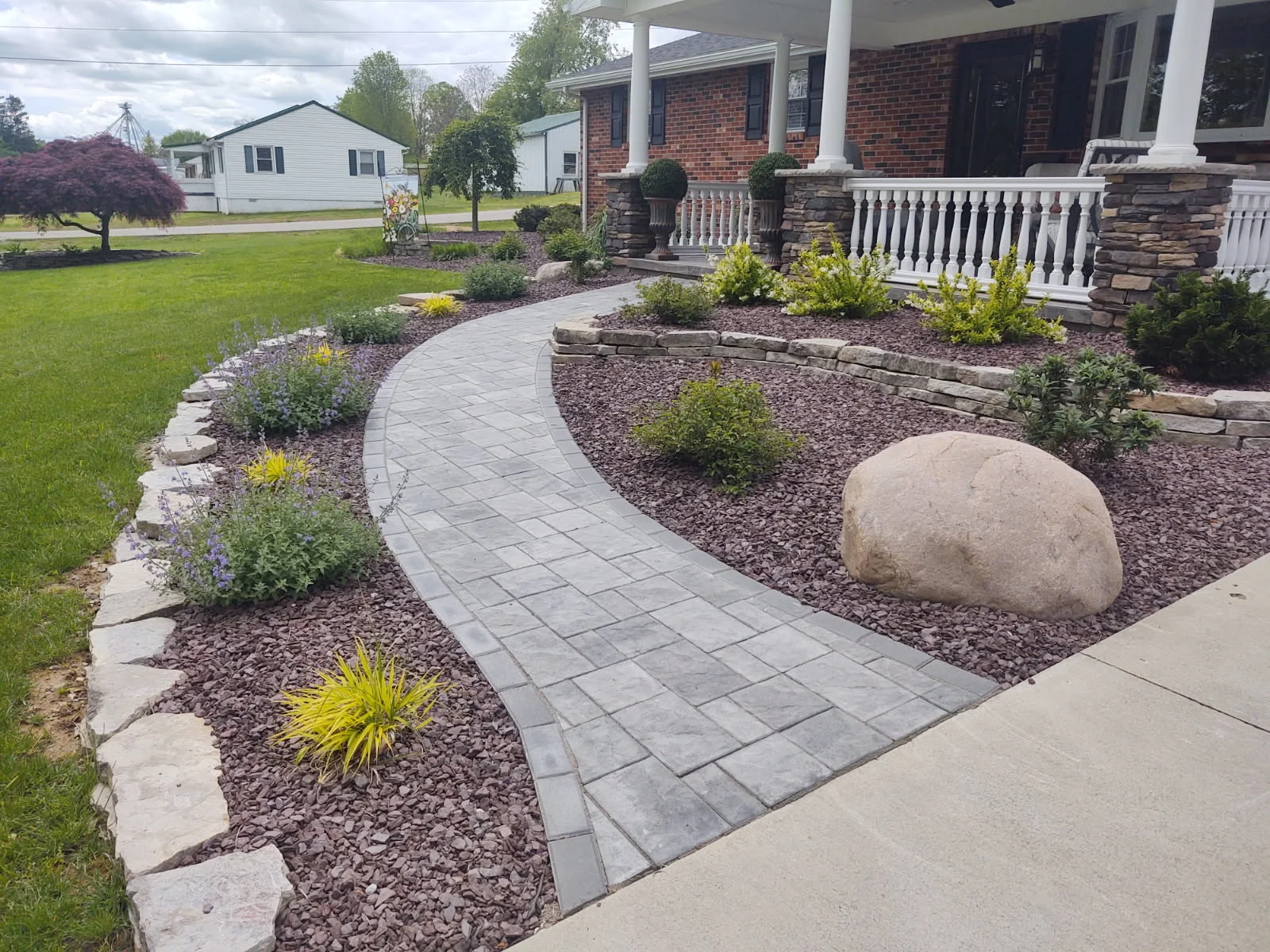
Open any image for a larger view. Layouts, materials, planting, and construction details are adapted to the property—not copied from a catalog.
6 featured project imagesBring us your favorite details
Planning something similar? We’ll translate the look to your property, grade, budget, maintenance goals, and future plans.
Keep exploring
Browse related landscape categories for material, layout, planting, lighting, and outdoor-living ideas.
Service planning guide
Good landscape lighting should do more than improve one view for a short time. It should make the property easier to use, easier to maintain, and more attractive through changing seasons. Dave's Landscaping combines practical site evaluation with experienced design and installation so the finished work feels connected to the home, the grade, the surrounding landscape, and the way the property is used every day.
Effective lighting is layered rather than overly bright, supporting both movement and atmosphere. During the first conversation, describe how people arrive, where they gather, where water tends to stand, which views should be improved, and what has been frustrating about the current layout. Those answers guide layout, phasing, material selection, preparation, and the level of maintenance the finished space should require.
We combine path, step, accent and task lighting while controlling glare and maintaining service access. Fixtures, connections and cable routing should be selected for moisture, lawn activity, mulch and winter conditions. The visible finish is supported by details most people do not see at first glance: base work, drainage, edging, soil preparation, transitions, planting choices, and maintenance access. When those details are planned together, the finished project is more likely to look clean and perform well over time.
A clear landscape lighting scope should explain what is included, what is optional, and what conditions might affect the final recommendation once the property is reviewed. Common scope items can include night-use and focal-point review, fixture type and placement plan, low-voltage transformer sizing, cable routing coordination, along with cleanup and a final walkthrough. That clarity helps compare value instead of comparing estimates that leave out important preparation, material, or finish details.
Landscape Lighting often connects naturally with Walkways, Paver Patios, Plantings. Planning those relationships early can improve circulation, protect drainage, reduce rework, and make the finished property feel like one complete environment. Even when only one portion is built now, a coordinated plan gives the owner better choices for future phases.
Before requesting landscape lighting, make a short list of the areas that bother you most and the outcome you want from the finished work. You do not need drawings or a complete plan before reaching out. Photos, rough measurements, timing goals, favorite project examples, and notes about drainage, access, shade, slopes, or upkeep can all make the first conversation more productive.
Dave's Landscaping reviews landscape lighting in person because the right approach depends on the property. The team can talk through must-have items, optional upgrades, phasing, materials, preparation, and the relationship between the project area and the rest of the landscape. That helps turn a broad idea into a clear next step.
Outdoor work in Southeast Ohio needs to handle rain, summer heat, freeze-thaw cycles, leaf drop, and regular use. For landscape lighting, the visible finish is only part of the result. Base preparation, drainage, plant selection, transitions, cleanup, and maintenance expectations all affect how the work looks and performs over time.
A better property starts here
Share the basics and Dave’s Landscaping will follow up to discuss the site, goals, and best next step.
Request a quote