Service planning guide
How to plan landscape design for a stronger Southeast Ohio result
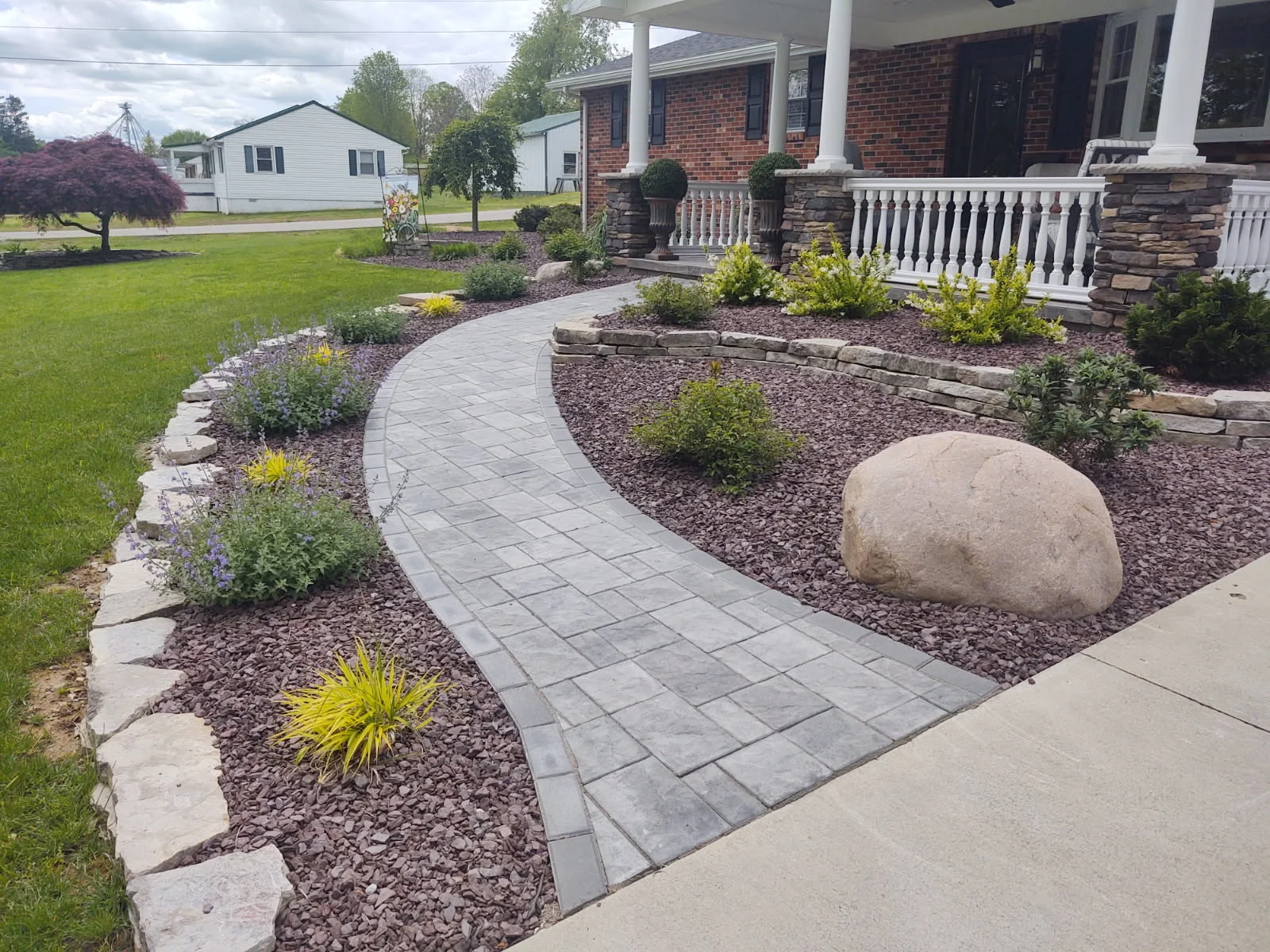
Good landscape design should do more than improve one view for a short time. It should make the property easier to use, easier to maintain, and more attractive through changing seasons. Dave's Landscaping combines practical site evaluation with experienced design and installation so the finished work feels connected to the home, the grade, the surrounding landscape, and the way the property is used every day.
01
Start with the way the property is used
A design clarifies what belongs where and why, giving the property a coherent direction rather than a collection of disconnected projects. During the first conversation, describe how people arrive, where they gather, where water tends to stand, which views should be improved, and what has been frustrating about the current layout. Those answers guide layout, phasing, material selection, preparation, and the level of maintenance the finished space should require.
02
Design the visible and hidden details together
Goals, views, sun, grade, access, drainage, maintenance and budget priorities shape the recommendations. On sloped or drainage-sensitive properties, early planning helps prevent features from competing with water flow and access. The visible finish is supported by details most people do not see at first glance: base work, drainage, edging, soil preparation, transitions, planting choices, and maintenance access. When those details are planned together, the finished project is more likely to look clean and perform well over time.
03
Use the scope to prevent surprises
A clear landscape design scope should explain what is included, what is optional, and what conditions might affect the final recommendation once the property is reviewed. Common scope items can include needs and style discovery, site observation and measurements as scoped, conceptual layout, material and planting direction, along with cleanup and a final walkthrough. That clarity helps compare value instead of comparing estimates that leave out important preparation, material, or finish details.
04
Coordinate related improvements early
Landscape Design often connects naturally with Design & Build, Plantings, Paver Patios. Planning those relationships early can improve circulation, protect drainage, reduce rework, and make the finished property feel like one complete environment. Even when only one portion is built now, a coordinated plan gives the owner better choices for future phases.
05
What to think through before you call
Before requesting landscape design, make a short list of the areas that bother you most and the outcome you want from the finished work. You do not need drawings or a complete plan before reaching out. Photos, rough measurements, timing goals, favorite project examples, and notes about drainage, access, shade, slopes, or upkeep can all make the first conversation more productive.
06
A practical on-site conversation
Dave's Landscaping reviews landscape design in person because the right approach depends on the property. The team can talk through must-have items, optional upgrades, phasing, materials, preparation, and the relationship between the project area and the rest of the landscape. That helps turn a broad idea into a clear next step.
07
Built for Southeast Ohio seasons
Outdoor work in Southeast Ohio needs to handle rain, summer heat, freeze-thaw cycles, leaf drop, and regular use. For landscape design, the visible finish is only part of the result. Base preparation, drainage, plant selection, transitions, cleanup, and maintenance expectations all affect how the work looks and performs over time.